Foxfire: The Bioluminescent Roots of a Cultural Icon
Of all the vintage outdoor and wild-living books on my shelf, Foxfire is probably the most well-known. Reprints of this Appalachian culture series can still be found in new bookstores today, but I managed to pick up an original copy of The Foxfire Book from a used bookstore in Georgia. Published in 1972, this book compiled articles from the Foxfire magazines, created by a group of high school students at Rabun Gap-Nacoochee School in the Appalachian Mountains of Georgia. What began as a school project to capture the lessons and life stories of elderly community members quickly grew into a national bestseller and became vital to preserving the Appalachian way of life.
I don’t want to dive too deeply into the series or this particular book- there are plenty of authors and journalists who have already done an excellent job of that. Instead, in the spirit of fall and the soon-to-be “spooky” season, I want to draw your attention to the namesake of this series: “Foxfire.”
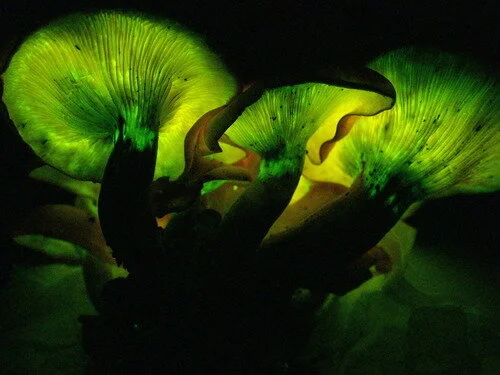
Foxfire refers to certain fungi, or sometimes insects, that are bioluminescent, meaning they glow in the dark. In Appalachia, two species of foxfire fungi include the Jack-o’-Lantern Mushroom (pictured below) and the Bitter Oyster. The name may also apply to the insect known as the Appalachian Glowworm. Most often, foxfire can be found near decaying wood.
Is your hunting or fishing cabin off-grid with no electricity? Foxfire was once considered an outdoorsman’s answer to the problem of little light. Historically, it was collected in jars to serve as a natural lantern. Ever had trouble finding your way to a tree stand at night? Foxfire was even used as a navigation aid, placed along paths to provide a faint, guiding glow.
It’s easy to see why the students at Rabun Gap-Nacoochee School may have chosen Foxfire as the name for their cultural heritage project. This almost supernatural phenomenon serves as a fitting symbol of the region’s unique character.
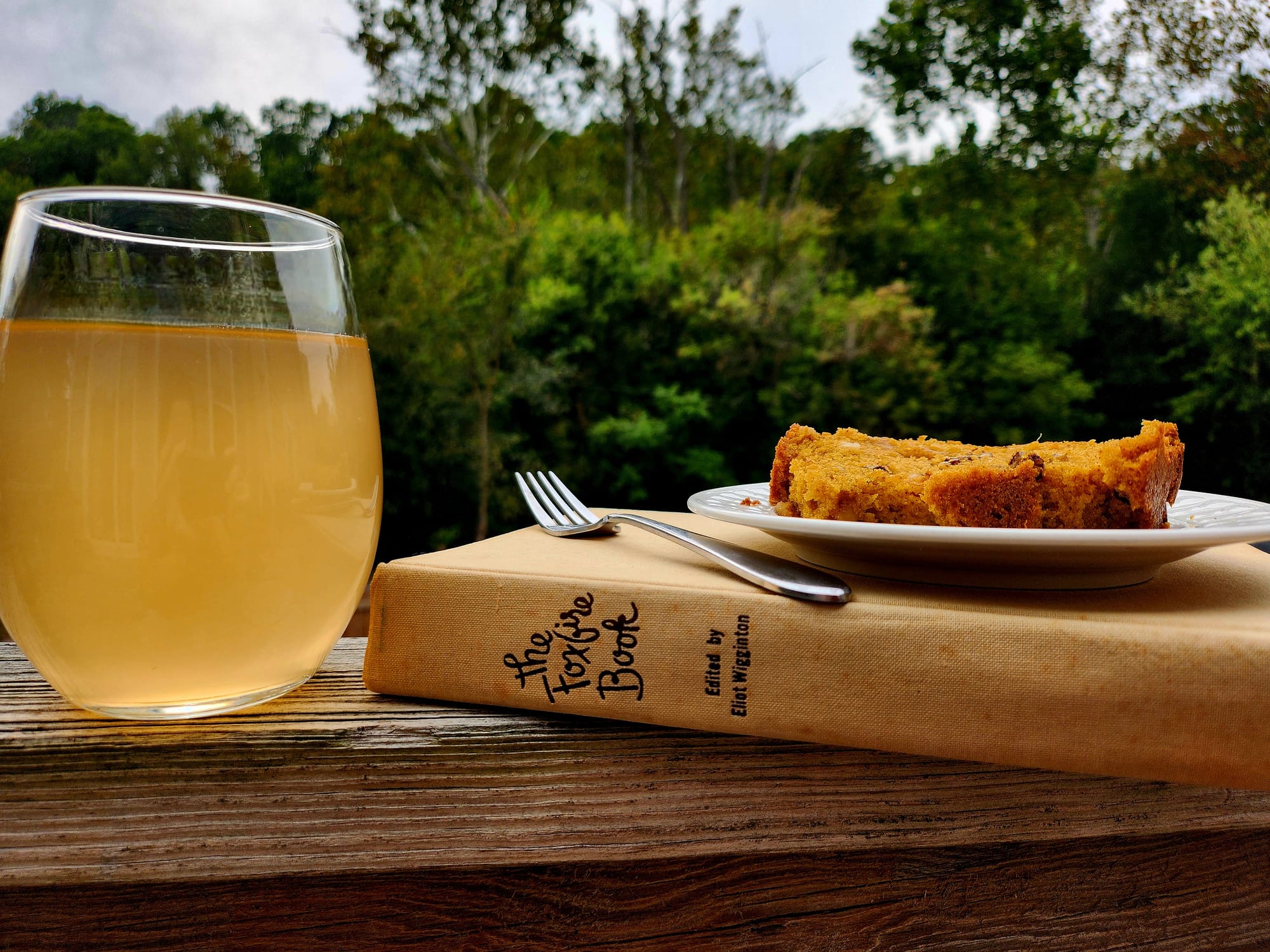
As the leaves change color and the cold air settles in, Foxfire makes for the perfect campfire-side read that’s easily found in bookstores. Inside, you’ll find methods for everything from building a log cabin to predicting the weather, along with delicious recipes like pumpkin cake and apple beer (pictured below). There’s no better season than autumn to dive into the richness of Appalachian culture.
Resources:
- Henion, L. A. (2016, September 22). The magic of mushrooms. Atlas Obscura. https://www.atlasobscura.com/articles/the-magic-of-mushrooms
- Dhillon, M. (2023, August 3). Bioluminescence in Appalachia. Appalachian Voices. https://appvoices.org/2023/08/03/bioluminescence-in-appalachia/